
Diabetic ulcer
What is a diabetic foot ulcer?
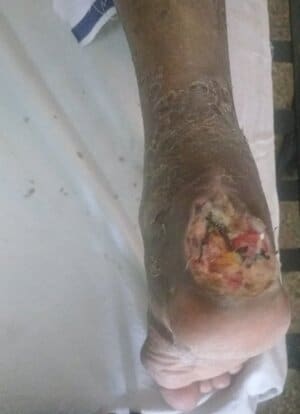
A diabetic foot ulcer is an open sore or wound that develops on the foot, most commonly on the sole or between the toes. It's a serious complication of diabetes that occurs when high blood sugar levels damage nerves and blood vessels in the feet. If you have diabetes and have noticed a sore, blister, or wound on your foot that isn't healing, you need to take it seriously.
Diabetic foot ulcers are one of the most common complications of diabetes. The concerning part is that many people don't realize how serious these ulcers can become if left untreated.
Why do diabetic foot ulcers develop?
Diabetes affects your feet in two main ways: through nerve damage and poor circulation. Understanding these is key to preventing and managing ulcers.
1. Nerve damage (neuropathy)
High blood sugar levels damage the nerves in your feet, a condition called diabetic neuropathy. When these nerves are damaged, you lose the ability to feel pain, pressure, or temperature changes in your feet. This means you might not notice when you step on something sharp, develop a blister, or injure your foot in any way. What would normally cause pain and prompt you to seek treatment goes unnoticed. A small cut or pressure sore can gradually worsen into a serious ulcer without you realizing it.
2. Poor blood circulation (vascular disease)
Diabetes also damages blood vessels, narrowing them and reducing blood flow to your feet. Good blood circulation is essential for healing. When blood flow is poor, wounds heal much more slowly. Your feet don't receive enough oxygen and nutrients to repair themselves. Even a minor injury can become a chronic wound because your body simply cannot muster the resources to heal it.
Who is at risk of a diabetic foot ulcer?
Certain factors increase your risk of developing diabetic foot ulcers:
- Poor blood sugar control – High, uncontrolled blood sugar levels increase nerve and vessel damage
- Duration of diabetes – The longer you've had diabetes, the higher your risk
- Foot deformities – Bunions, hammertoes, or other foot shape abnormalities increase pressure on certain areas
- Poor foot hygiene – Not inspecting or caring for your feet regularly
- Unsuitable footwear – Shoes that don't fit well or are too tight
- Previous foot ulcers – If you've had one, you're at higher risk of developing another
- Smoking – Smoking further reduces blood circulation
- Kidney disease – Often accompanies diabetes and worsens complications
- Vision problems – Difficulty seeing your feet makes it harder to notice problems early
- Obesity – Extra weight increases pressure on the feet
If any of these apply to you, paying special attention to your feet is even more important.
What are the warning signs?
Early detection is crucial with diabetic foot ulcers. Watch for these warning signs:
- Redness or discoloration on your foot or between toes
- Swelling in your foot or ankle
- Warmth in a specific area of your foot
- Any break in the skin, no matter how small
- Blisters or calluses that don't go away
- Drainage or oozing from a wound
- A foul odor from your foot
- Pain or tenderness (if you can still feel it)
- Darkening of the skin or tissue death
- A wound that's getting larger instead of smaller
If you notice any of these signs, don't wait.
Contact your doctor or come to our clinic immediately. Early treatment can prevent serious complications like infection, amputation, or loss of limb function.
What can happen if an ulcer is not treated?
This is why taking diabetic foot ulcers seriously is so important. If left untreated, they can lead to:
1. Infection
An open wound on your foot is vulnerable to bacteria. Once infected, the infection can spread quickly and become life-threatening. You might develop cellulitis (spreading skin infection), osteomyelitis (bone infection), or even sepsis (blood infection).
2. Amputation
In severe cases where infection spreads, cannot be controlled, or tissue death occurs, amputation of the toe, foot, or part of the leg may become necessary. This is a life-altering consequence that can almost always be prevented with early treatment.
3. Hospitalization
Serious diabetic foot complications often require hospital admission for intensive treatment and monitoring.
These are not meant to frighten you, but to emphasize why early care matters. The encouraging news is that most of these complications can be prevented or minimized with prompt professional treatment.
How can I prevent a foot ulcer?
Preventing diabetic foot ulcers is far easier than treating them. Here's what you can do:
1. Keep your blood sugar under control
This is the most important step. Working with your doctor to maintain healthy blood sugar levels reduces nerve and vessel damage and gives your body the best chance to heal any wounds that do develop.
2. Inspect your feet daily
Check your feet every day, including between the toes and the soles. Use a mirror if you can't see the bottom of your feet easily. Look for cuts, blisters, redness, swelling, or any changes. If you can't see well, ask someone to help you.
3. Wash your feet daily
Wash your feet in lukewarm (not hot) water daily. Use mild soap and dry them completely, especially between the toes. Never soak your feet for long periods, as this can damage the skin.
4. Moisturize your feet
Use a fragrance-free moisturizer on your feet daily, but avoid applying it between the toes where moisture can encourage fungal infections.
5. Trim your nails carefully
Cut your nails straight across and not too short. If you have difficulty doing this safely, ask a professional to do it for you.
6. Wear appropriate footwear
Wear shoes that fit well—not too tight and not too loose. Avoid open-toed shoes or sandals that expose your feet to injury. Check inside your shoes before wearing them to ensure there are no sharp objects or debris. Wear clean, dry socks.
7. Avoid going barefoot
Always wear shoes or slippers, even indoors. Barefoot walking increases your risk of injury.
8. Stay active
Regular, gentle exercise improves circulation and helps maintain a healthy weight. Walking is excellent, but wear proper shoes.
9. Don't smoke
Smoking dramatically reduces blood circulation. If you smoke, quitting is one of the best things you can do for your foot health.
10. See your doctor regularly
Have your feet checked at every doctor's visit. Ask your doctor to check your sensation and circulation. Annual foot exams by a specialist are recommended for people with diabetes.
How is a diabetic foot ulcer treated?
If you've developed a diabetic foot ulcer, professional treatment is essential. We take a comprehensive approach to diabetic wound care:
1. Thorough assessment
We'll examine your ulcer carefully to understand its depth, extent, and the underlying causes. This helps us develop an effective treatment plan.
2. Addressing root causes
We'll work with you and your primary doctor to optimize your blood sugar control and assess your circulation. Treating the underlying diabetes and vascular issues is crucial for healing.
3. Wound cleaning and preparation
We'll clean the wound and remove any dead or infected tissue. This creates an optimal environment for healing.
4. Specialized wound care
We use advanced dressing techniques and materials to promote healing. Depending on your ulcer's characteristics, we may use specialized dressings, negative pressure therapy, or other advanced treatments.
5. Infection management
If your ulcer is infected, we'll treat it aggressively to prevent serious complications. This may include antibiotics and, in some cases, surgical intervention.
6. Monitoring and follow-up
We'll see you regularly to monitor your progress and adjust treatment as needed. Consistent follow-up is essential for successful healing.
7. Education and prevention
We'll teach you proper foot care techniques and help you understand how to prevent future ulcers.
Can a diabetic foot ulcer heal?
Developing a diabetic foot ulcer doesn't mean you're facing amputation or loss of limb function. With early professional treatment, most people heal successfully. The key is:
- Act quickly – Don't wait if you notice any problems
- Follow medical advice – Attend appointments and follow treatment plans
- Control your diabetes – Work with your doctor to keep blood sugar levels stable
- Practice good foot care – Daily inspection and hygiene are essential
- Be patient – Healing takes time, but it does happen with proper care
Your feet carry you through life. They deserve care and attention, especially when you have diabetes. A small sore that you notice today can become a serious problem tomorrow if ignored. But that same small sore, caught early and treated properly, can heal completely without complications.
When should I see a doctor?
Emergency – go to hospital now
- Foot red, hot and swollen, with fever or feeling very unwell
- Skin on the foot turning black or grey
- Foot suddenly cold, pale or blue, and painful
- Drowsiness or vomiting, or a very high or very low sugar reading
See a doctor within 1–2 days
- Any break in the skin, however small
- Redness, swelling or warmth on the foot or between the toes
- Oozing, fluid or a bad smell from the foot
- Blisters or hard skin (calluses) that do not go away
- A wound that is getting larger
Care at home, watch for changes
- Check your feet every day, including between the toes and the soles. Use a mirror if needed.
- Wash your feet daily in lukewarm water and dry well between the toes.
- Always wear footwear, even indoors.
- Keep your sugar under control.
Questions? Call or WhatsApp us
To book, call or WhatsApp 86060 29762. Anidev answers from 9 am to 6 pm.